Lily's Kitchen Adult Wet vs Lily's Kitchen Cottage Pie
Side-by-side comparison of scores, ingredients, prices and real customer feedback for Lily's Kitchen Adult Wet and Lily's Kitchen Cottage Pie.
Last verified: 01 Mar 2026 · Based on 25 reviews
Lily's Kitchen Adult Wet scores 81.0/100 vs Lily's Kitchen Cottage Pie at 81.0/100. Lily's Kitchen Adult Wet wins on ingredient quality, nutritional value, transparency. Lily's Kitchen Cottage Pie is stronger on value for money and palatability.
How Do the Scores Compare?
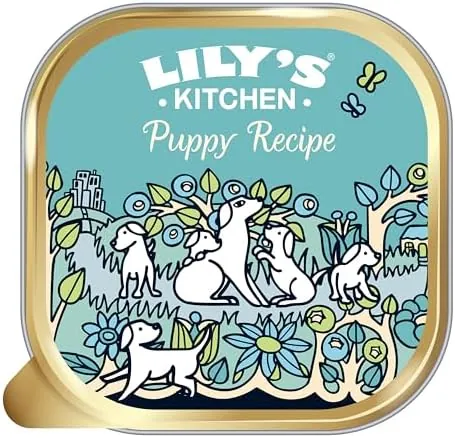
Complete Natural Adult Dog ...
Lily's Kitchen
|
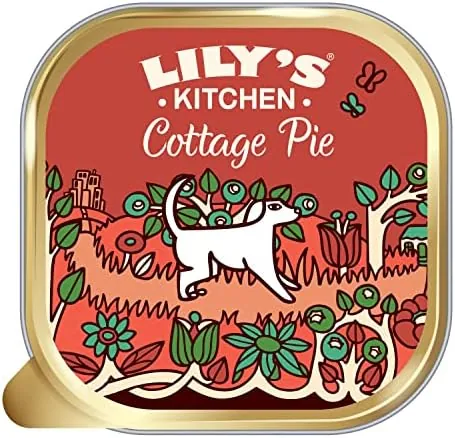
Lily's Kitchen Natural Adul...
Lily's Kitchen
|
|
|---|---|---|
| Overall Score | 81.0 | 81.0 |
| Ingredient Quality |
88.0/100
Best
|
86.0/100 |
| Nutritional Value |
82.0/100
Best
|
78.0/100 |
| Value for Money | 58.0/100 |
62.0/100
Best
|
| Transparency |
91.0/100
Best
|
88.0/100 |
| Palatability | 90.0/100 |
93.0/100
Best
|
| Best Price |
£14.00
£11.44
Amazon UK →
-18% deal
|
£14.40 Amazon UK → |
| Form | ||
| Dose | ||
| Third-Party Tested | ✗ No | ✗ No |
| Reviews Analysed | 12 | 13 |
Complete Natural Adult Dog Food ...
Pros
- ✓61% named meat content (41% turkey + 20% duck) with no by-products or meat meal
- ✓Extremely high palatability — dogs across multiple reviews show strong, sustained enthusiasm
- ✓Full ingredient transparency: percentages declared, no vague terms like 'meat derivatives' or 'animal by-products'
- ✓Suitable from 8 weeks through senior life stages, reducing the need to switch foods
Cons
- ✗Premium price point flagged by multiple reviewers — cost per kg is high relative to mainstream alternatives
- ✗150g tray size is small; larger dogs will require several trays per meal, significantly increasing daily cost
- ✗Grain-free formulations are under ongoing FDA/FEDIAF scrutiny for a potential link to dilated cardiomyopathy (DCM) in some breeds — not proven but worth monitoring
- ✗At least one report of a puppy losing interest after initial enthusiasm, suggesting possible palatability fatigue with repeated feeding
Best For
Lily's Kitchen Natural Adult Wet...
Pros
- ✓Named beef protein source — no generic 'meat derivatives' or anonymous by-products
- ✓Exceptionally high palatability: multiple reviewers report enthusiastic eating, improved coat condition, and no digestive upset
- ✓Grain-free with whole vegetables (carrot, broccoli, green beans) providing natural micronutrients
- ✓No artificial flavourings, colourings, or preservatives; transparent ingredient labelling
Cons
- ✗Grain-free diets with legume/potato bases remain under FDA/WSAVA scrutiny for a potential link to dilated cardiomyopathy (DCM); not conclusive but worth monitoring long-term
- ✗Premium price point — significantly more expensive per kg than mainstream wet foods
- ✗150g tray is a single meal for small dogs only; large breeds (25–45 kg per spec) require 3–4 trays per meal, making daily cost considerable
- ✗One isolated report of a potentially spoiled batch; not a pattern but worth noting for quality-control awareness
Best For
Score Breakdown: Lily's Kitchen Adult Wet vs Lily's Kitchen Cottage Pie
Lily's Kitchen Complete Natural Adult Dog Food is a premium wet food built on a high-quality dual-protein base of 41% turkey and 20% duck — both named, whole-meat sources with no by-products, meat meal, or meat derivatives.
What are the key differences?
Frequently Asked Questions
Which is better, Lily's Kitchen Adult Wet or Lily's Kitchen Cottage Pie? ▼
Is Lily's Kitchen Adult Wet worth the price compared to Lily's Kitchen Cottage Pie? ▼
Which has fewer side effects? ▼
Related Product Comparisons
Complete Natural Adult Dog Food Wet (10 x 150g Trays)
vs Lily's Kitchen Made with Natural Ingredients Adult Small Breed Dry Dog Food Chicken & Duck Grain-Free Recipe 2.5kg
Complete Natural Adult Dog Food Wet (10 x 150g Trays)
vs Pooch & Mutt - Health & Digestion, Complete Dry Dog Food (Grain Free), Salmon and Sweet Potato, 2kg
Complete Natural Adult Dog Food Wet (10 x 150g Trays)
vs Lily's Kitchen Natural Adult Wet Dog Food Tins Classic Dinners Variety Pack 6 x 400g & Natural Adult Wet Dog Food Tins Grain-Free Recipe Variety Pack 6 x 400g
Complete Natural Adult Dog Food Wet (10 x 150g Trays)
vs Burns Pet Nutrition Sensitive Grain Free Duck and Potato Adult Dry Dog Food, 2 kg
Complete Natural Adult Dog Food Wet (10 x 150g Trays)
vs Forthglade Dry Dog Food, Lightly Baked, (2kg), Hypoallergenic and Grain Free Dog Food, Adult 1 Year +, Lamb With Sweet Potato, Complete and Balanced Meal, 50% Single Source Protein
Complete Natural Adult Dog Food Wet (10 x 150g Trays)
vs Edgard & Cooper Grain Free Dry Dog Food For Medium Breed Adult Dogs (2.5kg), Fresh Chicken, Balanced Fibre For Gut Health, With Apple, Sweet Potato, Kale and Blueberry, Never Meat Meal
What the Data Says
Is grain-free dog food actually better? What the data shows.
Grain-free leads on every metric, but the gap is smaller than marketing suggests. We scored 27 grain-free and 73 standard dry dog foods across the same criteria.
The numbers: grain-free averages 75.1/100 overall versus 71.5 for standard — a 3.6-point lead. Break it down by category and the picture gets more interesting.
Ingredient quality is where grain-free pulls ahead most: 77.8 versus 71.2, a 6.6-point gap. Grain-free brands tend to use higher meat content and fewer cheap bulking agents. Transparency is the second-largest gap: 74.9 versus 69.8 (5.1 points) — grain-free brands are generally more upfront about sourcing and ingredient percentages.
But nutritional value tells a different story: 72.1 versus 70.0, just 2.1 points apart. That's the smallest gap of any metric. Removing grains doesn't automatically make a food more nutritious.
Bottom line: if your dog has a diagnosed grain intolerance, grain-free is the right call. If not, a high-scoring standard food delivers nearly identical nutrition at a lower price point.
Do grain-free dog foods hide carbohydrate fillers?
Grain-free scores better on transparency (74.9 vs 69.8), but grain-free does not mean low-carb. That 5.1-point transparency gap across 27 grain-free and 73 standard products means grain-free brands are more likely to disclose ingredient percentages and sourcing details.
The catch: most grain-free formulas replace rice, wheat, or corn with peas, lentils, chickpeas, or sweet potato. These are still carbohydrate sources. Some grain-free products list two or three legume variants in the first five ingredients, pushing total carbohydrate content to 40-50% of the formula.
Here's how to check: read the analytical constituents on the back of the bag. If protein is 25% and fat is 15%, the remaining 60% is mostly carbohydrates, moisture, and fibre. That's true whether the carbs come from brown rice or sweet potato.
The grain-free label tells you what's absent, not what replaced it. Higher transparency scores mean these brands make it easier for you to verify the substitution yourself — but you still need to look.
Disclaimer: AIScored provides data-driven comparisons based on publicly available reviews. This is not medical advice. Affiliate links may earn us a commission at no extra cost to you.
Feedback & Suggestions
Spotted an issue? Wrong price, incorrect data, or something else off? Let us know and we'll fix it.
Missing a product you'd like us to review? Tell us the product name and we'll consider adding it.