Iron Supplements Ultimate FAQ (UK 2026)
Most iron supplementation problems come from the wrong form, the wrong time of day, or the wrong drink at the same time. Five questions cover almost every reason people quit iron before it has a chance to work.
Quick Answer (TL;DR)
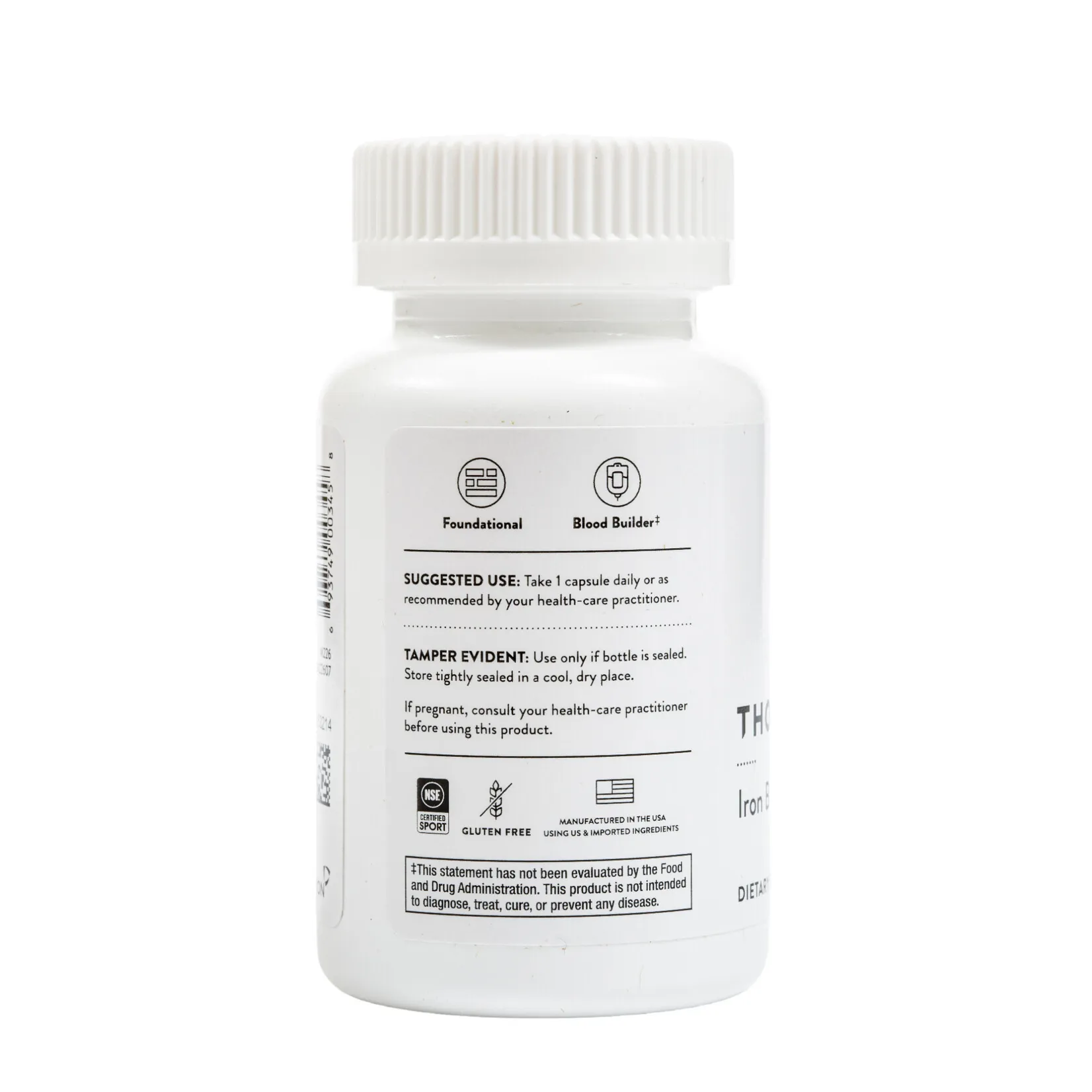
Thorne Iron Bisglycinate 25mg
Thorne
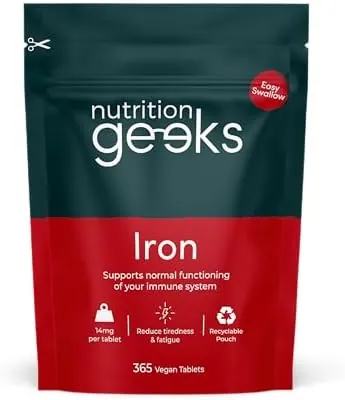
Iron Tablets High Strength 14mg - 365 Tablets, 12 Months Supply - Vegan Iron Supplements for Women and Men - Ferrous Fumarate, Reduces Tiredness and Fatigue - UK Made Vitamin
Nutrition Geeks
Thorne Iron Bisglycinate 25mg
Thorne
Iron deficiency is one of the most common nutritional gaps in the UK. Around 27% of women aged 19-64 have ferritin stores below the threshold. And yet a huge share of people who start an iron supplement quit within a few weeks. Stomach pain. Constipation. Nothing seems to be working.
Usually the reason is form, timing, or what you took it with. Not the dose itself. Five common questions explain why iron supplementation goes wrong and how to fix it.
Who This Guide Is For
Adults supplementing iron for fatigue, low ferritin, or diagnosed deficiency who have stopped (or are tempted to stop) because of stomach pain, constipation, or no obvious effect after a few weeks.
When To Seek Professional Help
If you have hemochromatosis, iron overload, are pregnant, or have not had a recent ferritin/haemoglobin blood test, get clinical guidance before supplementing. Iron toxicity is real at chronic high doses.
Curated Top Picks
View all iron comparisons →
Thorne Iron Bisglycinate 25mg
Thorne
Why this pick
Bisglycinate form bound to glycine, absorbed via amino acid transporters instead of the standard iron pathway. Consistently gentle on the gut and the option mentioned in the stomach-pain section above.
Choose this if:
Bisglycinate (Ferrochel®) form is highly bioavailable and consistently reported as gentle on the stomach with no constipation or nausea
Avoid this if:
No vitamin C included — absorption is suboptimal without pairing with ascorbic acid (users note this and add their own)
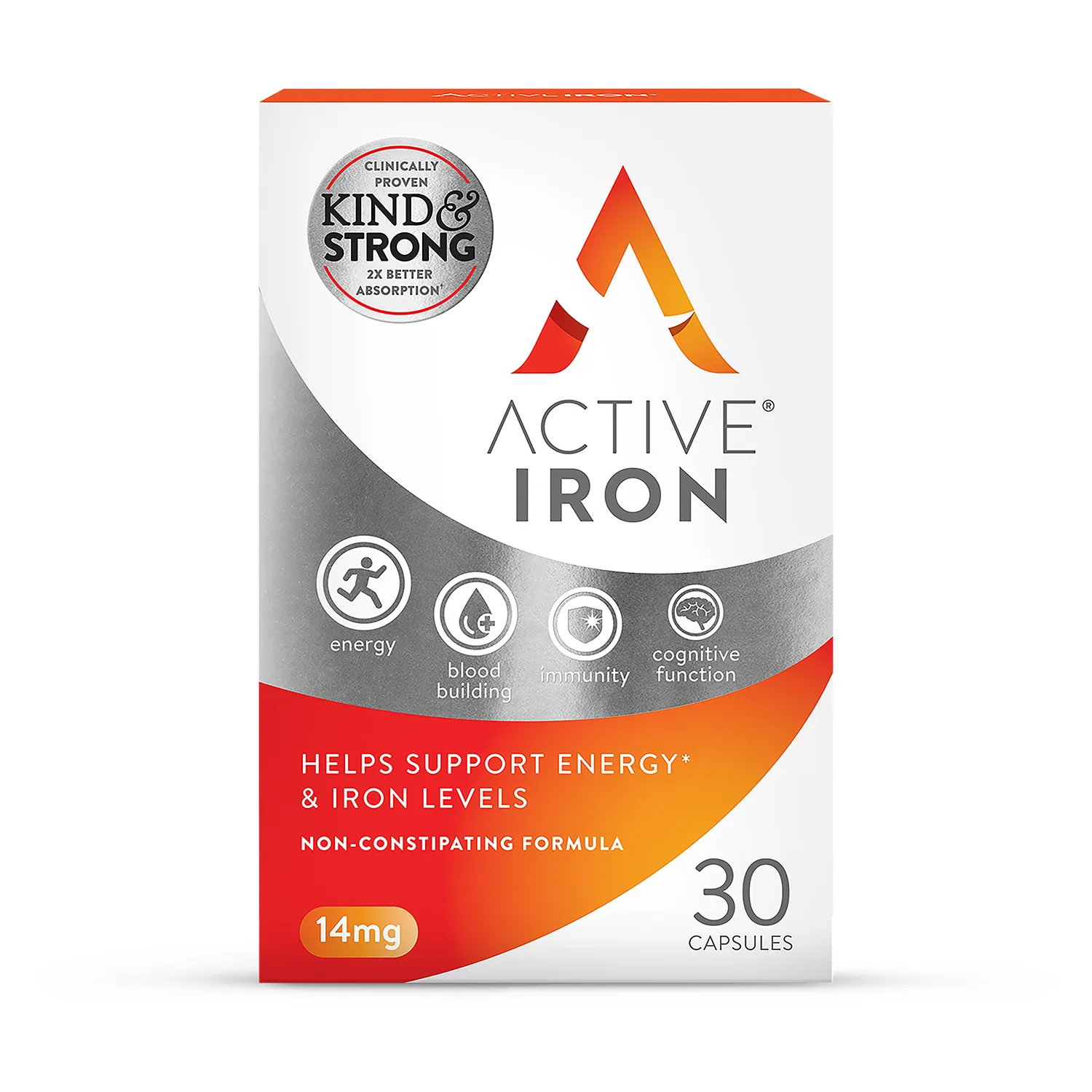
30 Capsules
Active Iron
Why this pick
Protein-bound iron designed to absorb in the small intestine rather than the stomach, which avoids most of the GI irritation.
Choose this if:
Excellent gastrointestinal tolerability—users report no constipation, diarrhea, or stomach pain (major complaint with standard iron supplements)
Avoid this if:
Not third-party tested or independently verified for potency/purity
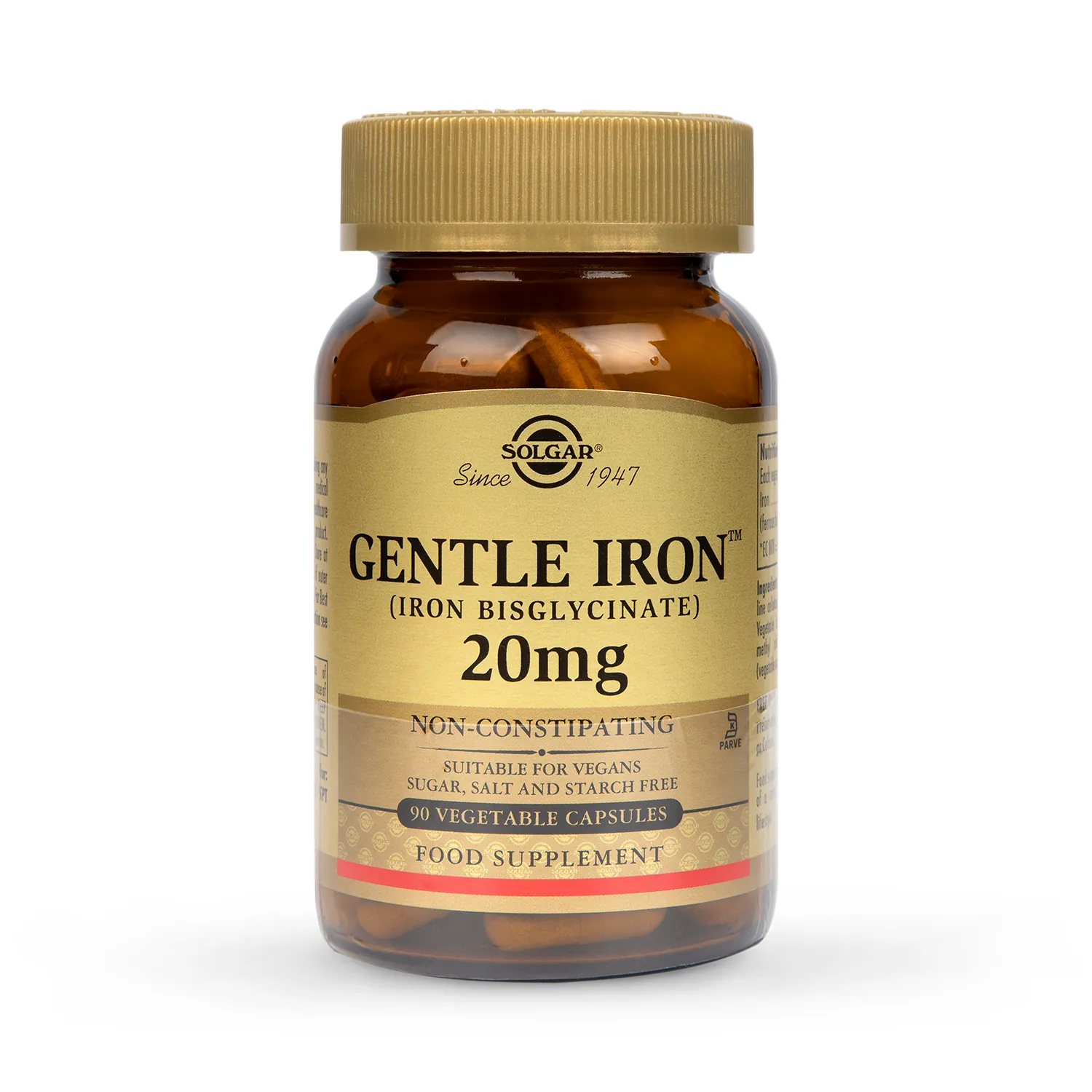
Gentle Iron 20mg 90 Vegi Capsules
Solgar
Why this pick
Iron bisglycinate in a plant-based capsule. Lower elemental dose (20mg) suits prevention or mild deficiency.
Choose this if:
Iron bisglycinate is among the most stomach-gentle and bioavailable forms of iron available
Avoid this if:
20mg single daily dose may be insufficient for correcting significant iron deficiency without medical guidance to increase dosage
Best Iron by Use Case
The top-scoring product for each common goal, based on our database of scored reviews.
Thorne Iron Bisglycinate 25mg
Thorne Iron Bisglycinate delivers 25 mg of elemental iron in the Ferrochel® chelated bisglycinate form, widely praised in reviews for being exceptionally gentle on the digestive system — no nausea, constipation, or metallic aftertaste that commonly plague ferrous sulfate alternatives.
Thorne Iron Bisglycinate 25mg
Thorne Iron Bisglycinate delivers 25 mg of elemental iron in the Ferrochel® chelated bisglycinate form, widely praised in reviews for being exceptionally gentle on the digestive system — no nausea, constipation, or metallic aftertaste that commonly plague ferrous sulfate alternatives.
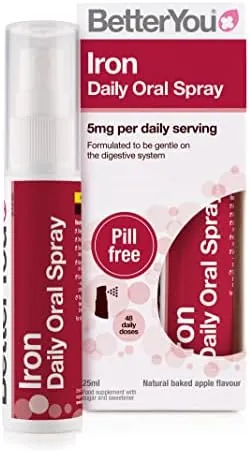
Better You Iron Daily Oral Spray 25ml (Pack of 3)
BetterYou Iron Daily Oral Spray is a well-regarded UK brand's oral spray delivering 5mg of iron per 4-spray dose, designed to bypass the gastrointestinal tract for improved tolerability and absorption.
Better You Iron Daily Oral Spray 25ml (Pack of 3)
BetterYou Iron Daily Oral Spray is a well-regarded UK brand's oral spray delivering 5mg of iron per 4-spray dose, designed to bypass the gastrointestinal tract for improved tolerability and absorption.
Iron Tablets High Strength 14mg - 365 Tablets, 12 Months Supply - Vegan Iron Supplements for Women and Men - Ferrous Fumarate, Reduces Tiredness and Fatigue - UK Made Vitamin
Nutrition Geeks' 14mg Iron Tablets use ferrous fumarate, a well-absorbed form of iron, delivering 100% NRV per tablet in a year's supply of 365 tablets.
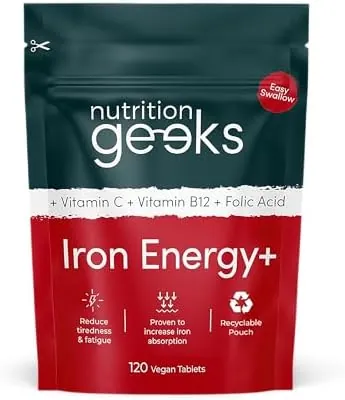
Iron Tablets High Strength - Energy Tablets with Vitamin C, B12 & Folic Acid - 120 Vegan Iron Supplements for Women and Men - 14mg - Enhanced Energy Support & Increased Absorption - UK Made
Nutrition Geeks Iron Energy+ delivers 14mg of iron per tablet alongside Vitamin C, B12, and Folic Acid in a compact, vegan-friendly format designed for daily energy support.
Why iron supplements cause stomach pain and constipation
Cheap supplements use ferrous sulfate. It is the most studied iron form, it is the cheapest by a wide margin, and it works. But it is also the worst-tolerated. Single-dose absorption is only 20-30%, so the unabsorbed iron sits in your gut, where it causes cramping, constipation, and dark stools. The dark colour is harmless. The constipation is the reason most people quit ferrous sulfate within a month.
Iron bisglycinate is a different beast. The iron atom is bound to the amino acid glycine, which means it gets absorbed via amino acid transporters instead of the standard iron uptake pathway. GI side effects drop dramatically. Most users on bisglycinate report no constipation, no nausea, no dark stools. Trade-off: lower elemental iron per tablet (typically 25mg vs 65mg for ferrous sulfate) and 2-3x the price.
If you have tried ferrous sulfate and quit, the answer is almost always to switch forms, not to give up on iron entirely. Thorne Iron Bisglycinate 25mg is one of the gentlest options on the UK market, with consistent reviews from people who failed on cheaper iron.
When is the best time to take iron?
Absorption is highest on an empty stomach. First thing in the morning, 30-60 minutes before breakfast, is the textbook answer.
If empty-stomach dosing makes you nauseous, take it with a small non-dairy snack. You will lose some absorption (maybe 30-40%), but a dose you actually take every day beats a perfect dose you skip half the time.
Every-other-day dosing is a newer angle worth knowing. Trials on iron-deficient women show that taking iron every day can actually backfire because it spikes hepcidin (a hormone that blocks iron absorption) for about 24 hours. Dosing every other day gives hepcidin time to drop, and total iron absorbed over a week ends up similar or better, with fewer side effects.
Can you take iron with coffee, tea, or dairy?
No. This is the single biggest mistake people make. Coffee and tea contain tannins and polyphenols that bind to iron directly in your gut and stop it being absorbed. Wash an iron tablet down with your morning coffee and you can lose 60-90% of the dose.
Dairy and calcium supplements do the same thing through a different mechanism. Calcium competes with iron at the absorption site.
The 2-hour rule: keep at least 2 hours between your iron and any coffee, tea, calcium supplement, or high-dairy meal. Pair the iron with vitamin C instead. A glass of orange juice or a 100-200mg vitamin C tablet boosts absorption by 3-4x. That single change does more for your blood iron than swapping brands.
How long until iron supplements actually work?
Iron recovery is slow. Faster than people expect at the start, slower than they expect at the finish.
In the first 2 weeks you might notice slightly less brain fog. By weeks 2-4, energy levels and breathlessness during exercise should ease as your body builds more haemoglobin. The dramatic 'I feel alive again' moment usually shows up around weeks 6-8.
Refilling your ferritin stores takes much longer: 3 to 6 months of consistent supplementation. Most people stop too early. They feel fine for a few weeks, then crash back into deficiency. Keep dosing until a follow-up blood test shows ferritin above 30 mcg/L.
Does iron cause weight gain?
No. Iron tablets are zero calories and have no direct effect on fat storage.
What sometimes happens: as anaemia resolves, your appetite returns to normal (severe iron deficiency suppresses appetite), so you start eating a bit more. That can add a kilo or two. It is a sign of recovery, not a side effect of the iron.
Mild fluid retention from severe anaemia can also shift as iron status improves, which occasionally shows up as a small weight bump. Plus, with restored energy you usually start moving more, which works in the other direction over a few months.
Key Takeaway
If iron has hurt your stomach, the fix is almost always to switch from ferrous sulfate to bisglycinate or Active Iron, not to quit. Take it on an empty stomach in the morning with vitamin C, keep coffee and tea at least 2 hours away. Expect energy to lift in 2-4 weeks but plan to dose for 3-6 months to fully refill stores. The 'weight gain' some people see is restored appetite, not the supplement.
Hard Selection Rules
- Drew on UK iron deficiency data (NDNS, NHS guidance) instead of generic absorption talking points.
- Cross-checked the every-other-day claim against recent hepcidin-cycling trials.
- Flagged where evidence is strong (vitamin C boost, tannin blocking) versus where it is brand marketing.
What We Excluded
- Did not cover IV iron infusion — that is a clinical decision, not a supplement choice.
- Did not give pregnancy-specific dosing; pregnancy iron needs are higher and should be set by your midwife.
- Did not address treatment of overt anaemia; that is a conversation for your GP.
Decision Framework
- Get a ferritin test before supplementing. Above 30 mcg/L with normal haemoglobin = no benefit.
- If you are deficient, start with iron bisglycinate or Active Iron rather than basic ferrous sulfate.
- Take it first thing in the morning with vitamin C; keep coffee, tea, and dairy at least 2 hours away.
- Plan for 3-6 months of consistent dosing and retest ferritin before stopping.
Frequently Asked Questions
Should men take iron supplements?
Usually not. Men store iron well and rarely become deficient unless there is an underlying cause: GI bleeding, chronic kidney disease, or recent surgery. Routine iron supplementation in men with normal ferritin can push them into iron overload, which raises cardiovascular and liver risk. Get a blood test before assuming you need it.
Do iron gummies work as well as tablets?
Less well. Most iron gummies contain 7-14mg of elemental iron versus 25-65mg in tablets, and they often use less bioavailable forms because chelated iron tastes metallic. Gummies are fine for prevention if you are eating reasonably well. For correcting an actual deficiency, tablets or liquid bisglycinate are the right tool.
Is heme iron from food enough, or do I still need a supplement?
Depends on what you eat. Heme iron (red meat, liver, oily fish) absorbs at 15-35%, far better than plant iron at 2-20%. Two servings of red meat a week plus iron-rich plant foods is usually enough to maintain stores in non-menstruating adults. Heavy periods, pregnancy, vegetarian diet, or diagnosed deficiency typically all require supplementation.
What ferritin level should I aim for?
Above 30 mcg/L is the conservative threshold for 'not deficient.' Some clinicians prefer 50 mcg/L or higher, especially if you have fatigue or hair shedding despite a 'normal' result. The NHS lab range often starts at 15 mcg/L, which is too low for most symptomatic people. Ask for your actual number, not just 'normal.'